
Our uvea department serves in diagnosing and managing uveitis, an inflammation of the eye’s middle layer that can lead to serious vision complications if untreated. Using advanced imaging and personalized therapies—including corticosteroids, immunosuppressants, and biologics—we aim to control inflammation, preserve vision, and improve long-term eye health.
Anterior uveitis is inflammation of the uvea's anterior segment, including the iris and ciliary body. Symptoms include eye pain, redness, blurred vision, sensitivity to light, and decreased vision. Causes can be infectious (e.g., herpes simplex), autoimmune (e.g., rheumatoid arthritis), or traumatic. Diagnosis is made through clinical examination and slit-lamp biomicroscopy. Treatment typically involves topical corticosteroids and cycloplegic agents to reduce inflammation and relieve pain. In severe cases, systemic corticosteroids or immunosuppressive agents may be necessary to prevent complications and promote healing.
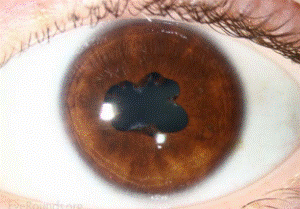
Tubercular uveitis is a form of uveitis caused by Mycobacterium tuberculosis infection. It can affect any part of the uvea, including the iris, ciliary body, and choroid. Symptoms include eye pain, redness, blurred vision, and sensitivity to light. Diagnosis is made through a combination of clinical examination, imaging studies, and laboratory tests, including tuberculin skin test and PCR. Treatment involves antitubercular therapy, corticosteroids, and immunosuppressive agents. Prompt treatment is essential to prevent complications, such as cataract, glaucoma, and vision loss.
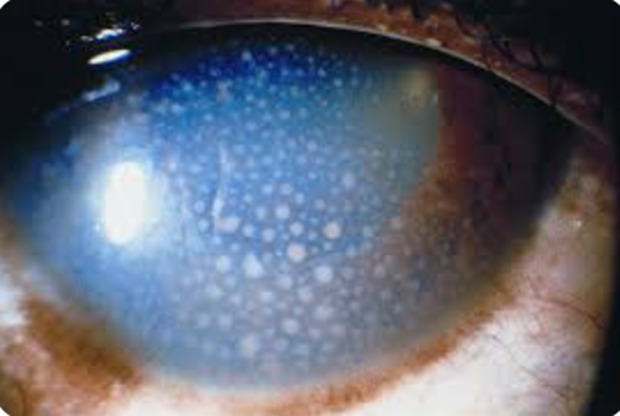
Scleritis is a severe inflammatory disease that affects the sclera, the white outer layer of the eye. It is a serious condition that can cause significant pain, vision loss, and even blindness if left untreated.
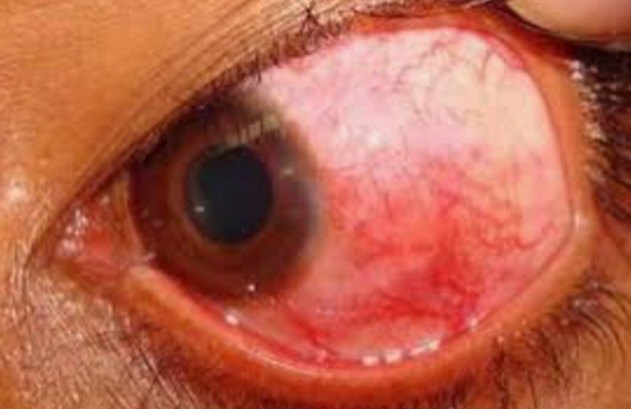
Types of Scleritis:
Causes:
Symptoms:
Diagnosis:
Treatment:
Complications include vision loss, blindness, scleral thinning or perforation and chronic pain
It's essential to seek medical attention immediately if symptoms persist or worsen over time. Prompt treatment can help prevent complications and preserve vision.
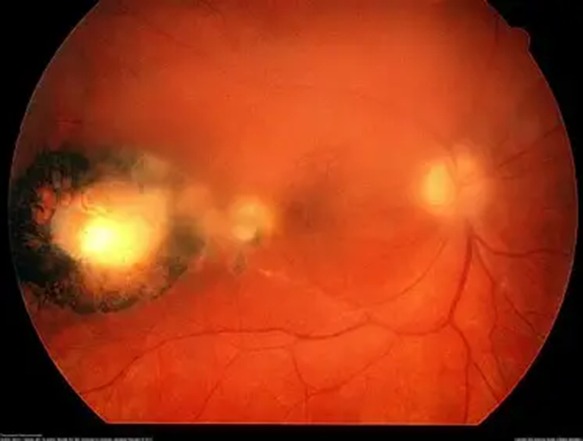
Toxoplasma retinochoroiditis is a parasitic infection of the retina and choroid caused by Toxoplasma gondii. It is a common cause of posterior uveitis, particularly in individuals with weakened immune systems.
Symptoms:
Causes:
Diagnosis is by clinical examination,fundusphotography,fluorescein angiography,PCR or serological tests to detect T. gondii DNA or antibodies
Treatment:
Complications:
Prevention:

Medical Superintendent
MS, DNB, DO, FICO(UK), MRCS(Edin)
stethoscope_arrow Cataract Surgery, Uvea Services, General Ophthalmology
event_available OP Days:
Tuesday,Wednesday,Thursday,Saturday