
Imagine this situation: You’re walking through a busy road, and everything looks normal. You can see what’s in front of you. You move ahead without thinking twice. But someone approaches from the side, and you notice them just a little too late.
You pause for a second.
“Was I distracted?”
Maybe. Or not.
Because some vision changes don’t feel obvious. They don’t blur your sight or make things dark. They simply reduce what you can see around you. Quietly.
That’s how glaucoma often begins. Most people expect eye problems to be noticeable—blurry vision, pain, or difficulty in reading.
Glaucoma doesn’t work like that. In many cases, your central vision stays perfectly fine for a long time. You can read, use your phone, watch TV—everything feels normal. But slowly, the side vision starts narrowing.
It’s not something you easily detect. Your brain adjusts. You compensate without realising it. And that’s where the risk lies.
The optic nerve carries visual signals from your eyes to your brain. When you suffer from glaucoma, pressure inside the eye increases and begins to affect this nerve. Not suddenly, just slowly, over time. And once that nerve is damaged, the vision linked to it doesn’t come back.
Because daily life doesn’t demand full awareness of your side vision all the time. You focus on what’s in front of you. Scrolling your phone, watching something, or reading. Everything feels normal in these moments.
It’s only in certain situations—like driving, walking through crowds, or noticing movement from the side—that the gaps begin to show.
By then, it may already be progressing.
Certain groups need to be more mindful.
In many cases, people seek glaucoma treatment in Kochi only after noticing changes—when regular screening could have caught it much earlier.
Vision loss caused by glaucoma is permanent. That can feel worrying to hear—but there’s another side to it. If detected early, the progression can be controlled, helping protect your existing vision. And that’s why awareness is so important.
Not much needs to change in your routine. Just one thing—don’t wait for symptoms. A simple eye pressure test or a routine eye checkup can help detect early changes, even when everything feels completely fine.
That’s the key difference with glaucoma. You don’t wait to feel it—you check for it.
Where does the right care make a difference?
When it comes to something as delicate as vision, experience matters.
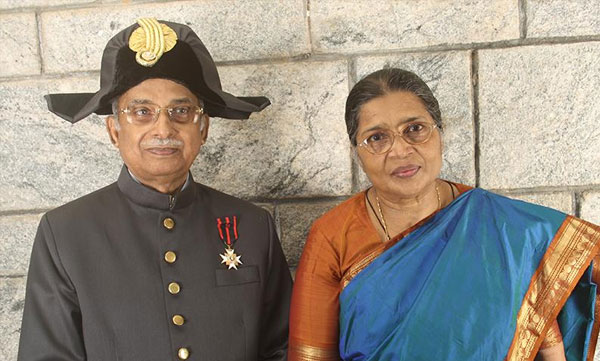
At Dr. Tony Fernandez Eye Hospital, the focus is on early detection and advanced care. This Eye Hospital was established under the guidance of Dr. S. Tony Fernandez, whose work in eye care has been recognised with honours like the Padma Shri and the Dr. B.C. Roy Award.
Over the years, the hospital has become a familiar name among people across Kerala seeking dependable eye care. From detailed eye checkups to focused glaucoma screening, the approach is simple—catch the problem early and handle it the right way.
If you’re considering glaucoma treatment in Kochi, having the right diagnosis at the right time and a team that knows what to look for really helps. If needed, you can reach out directly:
Glaucoma changes your vision—bit by bit—without making it obvious.
It may not seem like much. But sometimes, it’s worth checking.
Because protecting your vision doesn’t always start with symptoms.
Sometimes, it starts with a simple decision—to get your eyes tested, even when everything feels perfectly normal.




 I am Nimitha, before Lasik, I am very difficult to see and difficult to handle contact lens and specs. After the lasik treatment I am very relaxed.
I am Suja Eldho, from London, The brilliant Service has been given to us from Dr. Tony Fernandez Eye Hospital. The staffs have been incredibily
My name is Chanchal Gibson, 45 yrs old , I was having very bad power of Sph -9.00 in right eye and Sph -7.50 in left eye. It was very difficult
